Situation Summary
Japan remains a low-threat environment globally (rank #124) with a composite threat score of 6 and 209 tracked events. However, a cluster of cyber-infrastructure disruptions and supply-chain impacts emerged over 48–72 hours, alongside ongoing wildlife risks in northern regions. The security picture is stable but marked by operational friction in logistics, transportation, and food service due to coordinated cyberattacks on critical private-sector systems.
Key Developments
- Tokyo & Western Japan (15 Jul, ongoing): Nichirei, Japan's largest frozen-food logistics operator, suffered a cyberattack disrupting refrigerated-warehouse and delivery networks nationwide. KFC Japan, Kura Sushi, major supermarkets, and elderly care-center dining halls face product shortages and possible temporary closures due to supply delays. Nichirei announced gradual restoration starting Friday, indicating operations remain degraded.
- Tokyo (11 Jul, ongoing): Nihon Kotsu, Japan's largest taxi operator, experienced a major cyberattack forcing shutdown of dispatch infrastructure. Taxi services remain available via telephone and alternative apps, but dispatch availability and responsiveness in major urban centers are compromised for the past 24–48 hours.
- Iwate Prefecture (11 Jul onward, 72+ hours): Large wildfires burned approximately 700 hectares in mountainous areas with 3,200+ people evacuated and hundreds of firefighters deployed. Regional travel and infrastructure remain affected.
- Bandai Namco Entertainment (recent days, July): Police arrested a 15-year-old for exploiting a vulnerability in the Bandai Channel streaming platform, canceling 46,812 user accounts. The incident underscores ongoing exposure in digital-service infrastructure relevant to corporate and consumer users.
- Tohoku Region (14 Jul, recent incident): A family called police after discovering a bear inside their kitchen. This reflects a broader surge in deadly bear maulings across Tohoku since April, with at least five fatalities, elevating wildlife-related risk for rural and semi-rural areas in northern Japan.
Highest-Risk Areas
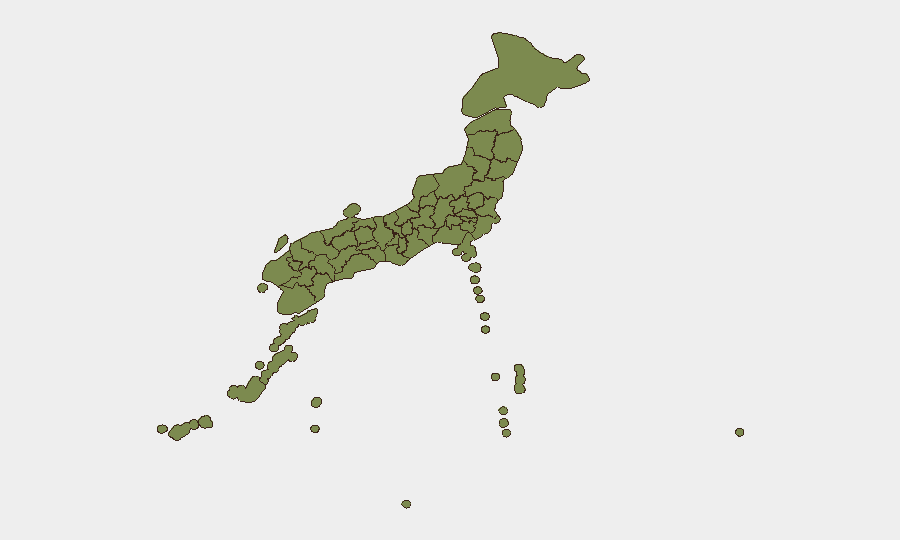
Tokyo dominates the national risk profile (score 33.8), driven by cyberattacks on critical logistics and transportation operators with nationwide supply-chain ripple effects. Nagano Prefecture (26.6) reflects ongoing infrastructure and environmental stressors, while Iwate (9.1) and Hokkaido (7.6) carry elevated risk from the convergence of wildfire response, wildlife hazards, and rural isolation. These four prefectures account for the majority of tracked threat activity; lower-ranked regions show minimal operational impact. Corporate assets and travelers should prioritize contingency planning in Tokyo and food-supply-dependent operations across western Japan.
How GeoBit Would Assist
Continuous Intel Sweep, OSINT fusion, and multi-language event feeds enable real-time detection of cyber-incident announcements and supply-chain disruptions affecting operations. AOI Monitoring & Early Warning on critical infrastructure hubs (ports, logistics centers, power nodes) and Routing & Network Analysis allow security teams to identify alternative supply routes and transportation options when primary systems are compromised. Sentiment & temporal analysis on Japanese social media and business platforms surfaces emerging workforce, consumer, or operational discontent before formal incident disclosure.
7-Day Outlook
Nichirei and Nihon Kotsu restoration efforts are likely to complete or substantially improve within 3–5 days, reducing acute supply and transport friction. However, secondary cyber-incident risk remains elevated given the apparent coordination of attacks on critical sectors; further incidents targeting other logistics, energy, or financial operators cannot be ruled out. Wildlife and wildfire risks in Tohoku and mountainous areas will persist through summer season.
Highest-Risk Areas — Ranked
| # | State / Region | Risk |
|---|---|---|
| 1 | Tokyo | 33.8 |
| 2 | Nagano Prefecture | 26.6 |
| 3 | Iwate Prefecture | 9.1 |
| 4 | Hokkaido Prefecture | 7.6 |
| 5 | Fukushima Prefecture | 7 |
| 6 | Hiroshima Prefecture | 6.1 |
| 7 | Hyogo Prefecture | 4.5 |
| 8 | Kyoto Prefecture | 4.2 |
| 9 | Yamagata Prefecture | 4.2 |
| 10 | Shizuoka Prefecture | 4.1 |
| 11 | Saga Prefecture | 4 |
| 12 | Kochi Prefecture | 4 |
Sources
Previous Daily Briefs
A new Japan brief is written every day — each with its own risk map and downloadable CSV. Here's the last week; use the calendar to go further back.
📅 Browse every day by calendar →
Highlighted days have a brief. Tap a day for that day's map & analysis, or “csv” for that day's dataset ($5).
Atlas — our AI intelligence desk — emails them this snapshot personally. Nothing else, no list.