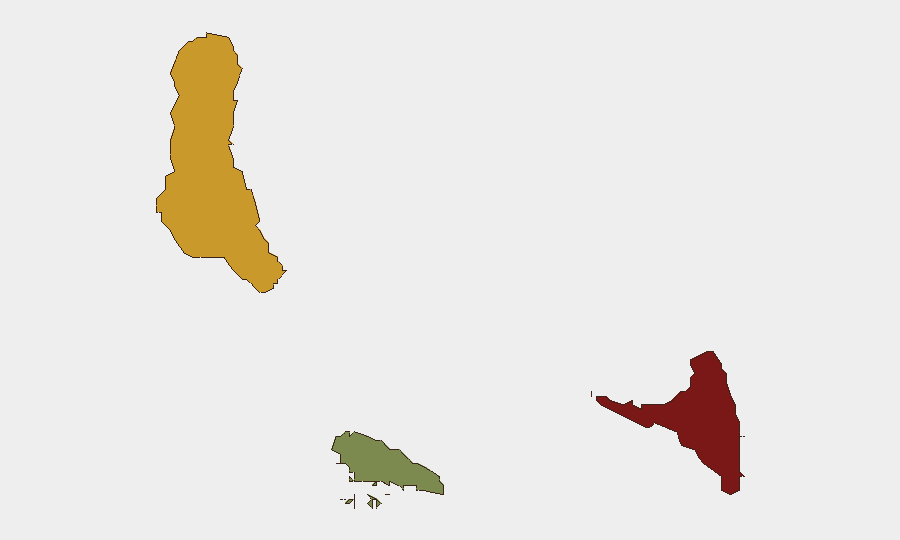
Situation Summary
Comoros remains a low-frequency, fragmented threat environment with composite risk score 8 (global rank #154). The archipelago's security picture is driven by chronic governance fragility, intercommunal economic tension, and persistent instability in Anjouan rather than active armed conflict or organized terrorism. Current trajectories suggest managed but unresolved underlying vulnerabilities, particularly affecting migrant communities and informal commerce.
Key Developments
- Comoros (nationwide) — October 5, 2026: Malagasy workers reported escalating concern over implementation of a July 2026 law reserving certain small-scale commercial activities for Comorian citizens. The regulation, not yet formally enforced, is creating livelihood anxiety and social friction within the Malagasy migrant community, which represents a significant economic and demographic presence across the islands.
No other discrete security, crime, infrastructure, or civil-order incidents were independently confirmed in Comoros during September 30–October 6, 2026.
Highest-Risk Areas
Anjouan (composite risk 88) remains the primary driver of national threat elevation, reflecting chronic political autonomy tensions, weak state capacity, and a history of separatist friction since the 1997–1998 conflict. Grande Comore (risk 72) carries secondary risk tied to Moroni's capital-city dynamics, including migrant-community friction and informal-sector instability. Moheli (risk 35) presents substantially lower risk and remains the most stable of the three islands. The Malagasy-citizen employment dispute—currently unfolding across unspecified locations—adds a cross-island layer of social tension that may accelerate community grievance and informal protest activity if enforcement of the July law accelerates.
How GeoBit Would Assist
Security teams with personnel or assets in Comoros should deploy AOI Monitoring & Early Warning capabilities on Anjouan and Grande Comore to detect escalation in labor unrest, migrant-community mobilization, or informal-sector disruption. Multi-language OSINT (X/Twitter, Telegram, local web) and sentiment analysis will track Malagasy community messaging, protest planning, and diplomatic posturing in real time. Risk & Threat Assessment paired with election monitoring capabilities will flag political or administrative shifts that could accelerate law enforcement or reshape intercommunal relations.
7-Day Outlook
No immediate escalation is anticipated in the coming week. The law-enforcement risk around the July commercial-activity statute remains a medium-term concern rather than an acute trigger; enforcement timelines and diplomatic engagement (potentially involving Madagascar) will be primary indicators. Monitoring of Anjouan's political calendar and any shift in Grande Comore migrant-community organizing should continue as routine surveillance.
Highest-Risk Areas — Ranked
| # | State / Region | Risk |
|---|---|---|
| 1 | Anjouan | 88 |
| 2 | Grande Comore | 72 |
| 3 | Moheli | 35 |
Sources
Previous Weekly Briefs
A new Comoros brief is written every Monday, covering the week — each with its own risk map and downloadable CSV. Use the calendar to go further back.
- September 29, 2026
- September 22, 2026
- September 15, 2026
- September 8, 2026
- September 1, 2026
- August 30, 2026
- August 28, 2026
📅 Browse past briefs by calendar →
Highlighted days have a brief. Tap a day for that day's map & analysis, or “csv” for that day's dataset ($5).
Atlas — our AI intelligence desk — emails them this snapshot personally. Nothing else, no list.