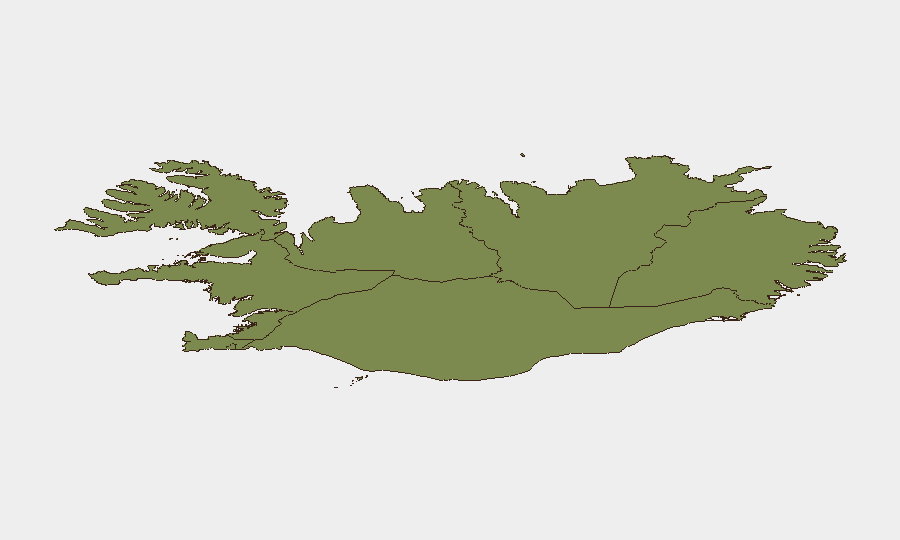
Situation Summary
Iceland remains a low-threat environment globally (rank #73, composite score 28) with no tracked security events this week. However, localized violence, property crime, and industrial incidents during late September have elevated risk in the Capital Region and driven renewed demand for police presence and street security. Weather instability and volcanic activity on the Reykjanes Peninsula present parallel duty-of-care considerations for personnel and logistics in the south and southeast.
Key Developments
- Reykjík, Mjódd district — September 26 (reported September 29): Five individuals aged 15–20 allegedly assaulted two persons; one teenager sustained a head injury from a glass bottle. Local business owners have called for increased police patrols and security measures in the area.
- Southeast, East, and Northeast Iceland — September 30: Yellow weather warnings issued for easterly winds of 18–23 m/s with dangerous gusts, heavy rain, and heightened flooding and landslide risk. Affected regions include parts of the Eastern and Northeastern zones.
- Reykjanes Peninsula / Grindavík — September 30–October 2: Volcanic activity remained concentrated on the Reykjanes Peninsula with expert assessments that eruption could occur with minimal notice. Grindavík access severely restricted; Keflavík Airport operations unaffected.
- Reykjavík — October 5: U.S. Secretary of State Marco Rubio scheduled meetings with Icelandic leadership on defense, Arctic security, and economic cooperation, signaling continued allied engagement on regional security posture.
- Capital Region — late September: Drug-trafficking investigation resulted in arrests of approximately 20 individuals in Reykjavík; at least one detainee held in custody pending further action.
- Bolungarvík — September 23: Police discovered a cannabis cultivation operation; occupant arrested on suspicion of operating an illegal grow facility.
Highest-Risk Areas
The Capital Region (risk score 24) dominates Iceland's threat landscape, driven by assaults, street violence, and organized-crime activity concentrated in Reykjavík and surrounding districts (Mjódd, Breiðholt, Seltjarnarnes). The Southern Peninsula and Southern Region (scores 12 and 11 respectively) face secondary risk from volcanic activity and weather-induced hazards affecting transportation and site access. Eastern and Northeastern regions (scores 10 and 6) experience periodic natural-hazard elevation but minimal civil security concerns; Western and remote zones remain lowest-risk.
How GeoBit Would Assist
Security teams with personnel or assets in Iceland should employ AOI (Area of Interest) Monitoring & Early Warning on high-risk districts in the Capital Region to track emerging violence patterns and police responses in real time. Environmental & Health monitoring of the Reykjanes Peninsula and southeast weather systems provides advance notice of volcanic and weather hazards affecting logistics and duty-of-care obligations. OSINT Sweep and multi-language intelligence feeds (X/Twitter, local news, police bulletins) enable continuous situation awareness of crime trends, arrests, and street-security changes across Reykjavík's business and residential zones.
7-Day Outlook
Violent street incidents in Reykjavík are expected to remain sporadic but recurring, particularly in evening and nighttime hours in high-density commercial and entertainment zones. Weather instability will persist through early October in the south and southeast, with landslide and flooding risk continuing to affect road access and remote communities. Volcanic risk on the Reykjanes Peninsula remains elevated but localized and monitored by Icelandic authorities; broader national security conditions are stable.
Highest-Risk Areas — Ranked
| # | State / Region | Risk |
|---|---|---|
| 1 | Capital Region | 24 |
| 2 | Southern Peninsula | 12 |
| 3 | Southern Region | 11 |
| 4 | Eastern Region | 10 |
| 5 | Western Region | 9 |
| 6 | Westfjords Region | 8 |
| 7 | Northwestern Region | 7 |
| 8 | Northeastern Region | 6 |
Sources
Previous Weekly Briefs
A new Iceland brief is written every Monday, covering the week — each with its own risk map and downloadable CSV. Use the calendar to go further back.
- September 28, 2026
- September 22, 2026
- September 15, 2026
- September 8, 2026
- September 2, 2026
- September 1, 2026
- August 31, 2026
📅 Browse past briefs by calendar →
Highlighted days have a brief. Tap a day for that day's map & analysis, or “csv” for that day's dataset ($5).
Atlas — our AI intelligence desk — emails them this snapshot personally. Nothing else, no list.