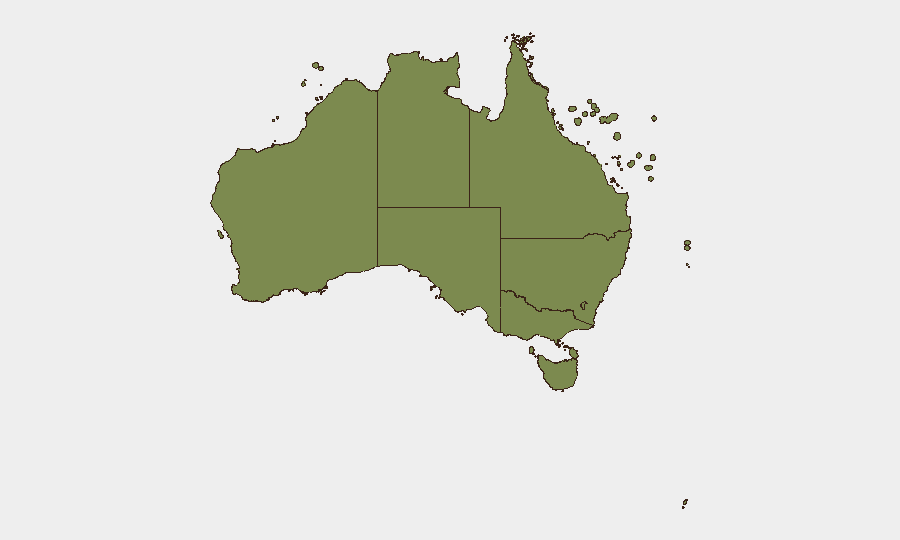
Situation Summary
Australia faces a confluence of acute cyber and physical security pressures, with New South Wales dominating the national threat picture at a composite risk score substantially higher than all other states. The past 48 hours have revealed systemic vulnerabilities across education, defence, energy, and government sectors, while isolated violent crime and extremist content distribution continue to demand response. Overall national threat ranking remains moderate (rank #128 globally), but sub-national concentration and sector-specific breaches indicate elevated duty-of-care obligations for organisations operating in NSW and Queensland.
Key Developments
- Melbourne, Victoria – 31 Jul 2026: Multiple shots fired into a residential property in the inner west; police investigation ongoing into a targeted shooting incident.
- Federal Court, Sydney, NSW – 31 Jul 2026: eSafety Commissioner filed legal action against Telegram for allegedly failing to remove videos of terrorist executions and mass shootings accessible to Australian users, with potential penalties of A$54.6 million per breach cited.
- Victoria (state-wide) – late Jul 2026: Victorian Department of Education confirmed data breach affecting 1700+ government schools; names, emails, and encrypted passwords of current and former students compromised, impacting hundreds of thousands.
- Queensland (Mackay region) – late Jul 2026: Operations at two major sugar mills halted following cyber incident; industrial infrastructure security breach under investigation.
- Queensland (state-wide education) – late Jul 2026: Queensland Department of Education reported breach via third-party cloud provider Instructure, exposing student and staff names, email addresses, and school locations.
- NSW – late Jul 2026: Treasury staffer charged following significant NSW Government data breach involving alleged unauthorised transfer of sensitive government data; described as major incident.
- Australia-wide defence sector – late Jul 2026: Series of cyber attacks reported against Australian defence supply chain contractors, exposing vulnerabilities affecting weapons programs and defence infrastructure.
- NSW – late Jul 2026: NSW Rural Fire Service warned members of cyber security incident affecting historical member data; operational capability unaffected but stored information likely compromised.
Highest-Risk Areas
New South Wales accounts for the bulk of national threat concentration, with a composite risk score (31.4) more than three times that of Queensland (9.3). Recent breaches in Treasury, government schools, and the rural fire service, combined with the Telegram/extremist content matter, position NSW as the primary pressure point. Queensland's secondary ranking reflects critical infrastructure vulnerability (sugar mills, education cloud services), while Victoria's risk elevation is driven by both the targeted shooting incident and the education sector breach affecting a majority of government schools. Organisations with staff, students, or data assets across NSW and Queensland face heightened exposure.
How GeoBit Would Assist
Security teams should deploy GeoBit's AOI Monitoring & Early Warning capability to establish persistent watch on NSW and Queensland government, education, and defence supply chain entities, with alerting triggered on breach disclosure, law enforcement activity, or extremist-content citations. Intel Sweep and OSINT fusion across government statements, legal filings, and social media amplification would provide real-time correlation of emerging incidents and downstream reputational/operational impact. Risk & Threat Assessment functionality, combined with Network & Actor Analysis, enables mapping of the interconnected nature of the education and defence breaches to identify secondary exposure pathways affecting supply chains and vendor dependencies.
7-Day Outlook
Continued disclosure of education and government sector breaches is likely as investigations progress and affected parties issue notifications. Federal and state regulatory responses to the Telegram matter and defence supply chain incidents will probably generate additional public statements and potential compliance obligations for platforms and contractors. Organisations should expect elevated media scrutiny of cyber resilience across critical infrastructure and public institutions through early August.
Highest-Risk Areas — Ranked
| # | State / Region | Risk |
|---|---|---|
| 1 | New South Wales | 31.4 |
| 2 | Queensland | 9.3 |
| 3 | Victoria | 7.9 |
| 4 | Western Australia | 7.5 |
| 5 | Northern Territory | 7.3 |
| 6 | South Australia | 3.2 |
| 7 | Australian Capital Territory | 3.2 |
| 8 | Tasmania | 2.4 |
| 9 | Ashmore and Cartier Islands | 1.4 |
| 10 | Jervis Bay Territory | 1.4 |
| 11 | Coral Sea Islands | 1.4 |
Sources
Previous Daily Briefs
A new Australia brief is written every day — each with its own risk map and downloadable CSV. Here's the last week; use the calendar to go further back.
📅 Browse every day by calendar →
Highlighted days have a brief. Tap a day for that day's map & analysis, or “csv” for that day's dataset ($5).
Atlas — our AI intelligence desk — emails them this snapshot personally. Nothing else, no list.